Why Thyroid Health Matters During Pregnancy
Thyroid hormones support energy, metabolism, and the healthy development of the baby. During pregnancy, the body needs more thyroid hormone than usual. If thyroid levels are too low or too high, pregnancy may become more difficult to manage.
Thyroid problems can also affect ovulation and conception. Women with irregular periods, previous pregnancy loss, or a history of thyroid disease should discuss testing with a doctor before planning pregnancy. A fertility doctor in Udaipur can help review thyroid health as part of preconception care.
What TSH Means in Pregnancy
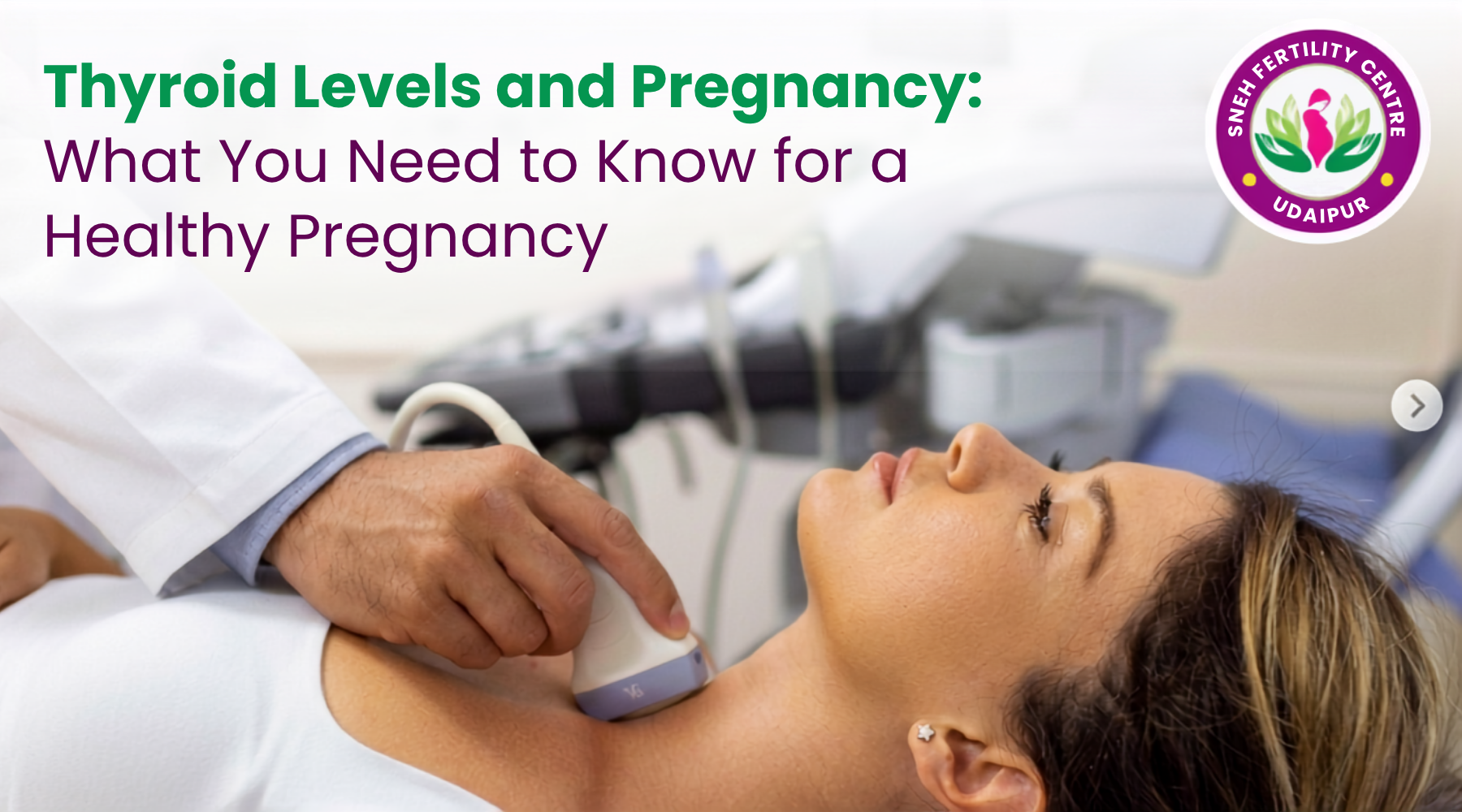
TSH is a blood test used to check how the thyroid is working. The expected range may change during pregnancy, so a result that is acceptable outside pregnancy may need closer review during pregnancy. Doctors interpret TSH along with free T4, symptoms, medical history, and trimester-specific ranges.
The American Thyroid Association recommends using pregnancy-specific ranges where available. Some clinical guidance lists approximate TSH ranges of 0.1 to 2.5 mIU/L in the first trimester, 0.2 to 3.0 in the second, and 0.3 to 3.0 in the third. However, ranges can vary by laboratory and individual factors, so patients should not interpret a result without medical advice.
How Low Thyroid Levels Can Affect Pregnancy
Low thyroid function is called hypothyroidism. It may cause tiredness, feeling cold, constipation, dry skin, weight changes, or low mood. Some women have no clear symptoms, which is why testing can be important when risk factors are present.
Untreated or poorly controlled hypothyroidism has been linked with pregnancy complications such as miscarriage, premature birth, and low birth weight. The baby also depends on the mother’s thyroid hormone during early development.
How High Thyroid Levels Can Affect Pregnancy
An overactive thyroid is called hyperthyroidism. Symptoms may include a fast heartbeat, anxiety, sweating, weight loss, hand tremors, or difficulty sleeping. These symptoms can sometimes be confused with normal pregnancy changes.
High thyroid levels also need medical supervision. The doctor may recommend blood tests and medicines that are suitable for pregnancy. Never start, stop, or change thyroid medicine without medical advice.
Thyroid Testing Before And During Pregnancy
Women with thyroid disease, thyroid antibodies, PCOS, diabetes, or a history of miscarriage may need thyroid testing before conception. Those who are already taking thyroid medicine may need a dose review soon after pregnancy is confirmed.
Thyroid function is often checked at regular intervals during pregnancy, especially during the first half when hormone needs may change quickly. The American Thyroid Association patient guidance notes that testing every four weeks until mid-pregnancy may be recommended in relevant cases.
Women receiving PCOS Treatment In Udaipur may also benefit from thyroid testing because irregular periods can be linked to more than one hormonal condition. PCOS and thyroid disorders are different conditions, so one should not be assumed to be the cause of the other.
Treatment And Daily Care
Hypothyroidism during pregnancy is commonly treated with levothyroxine, a thyroid hormone replacement medicine. The dose may need adjustment as pregnancy progresses. Doctors usually monitor blood tests and adjust treatment based on results.
Patients should take medicine exactly as prescribed. Thyroid tablets may interact with iron and calcium supplements, so ask your doctor how to space them. A balanced diet, regular appointments, and avoiding self-medication can also support safe care.
When To Seek Medical Advice
Speak with a doctor before pregnancy if you have:
- A known thyroid disorder.
- Irregular periods or difficulty conceiving.
- A history of miscarriage.
- A family history of thyroid disease.
- Symptoms of high or low thyroid function.
- A positive pregnancy test while taking thyroid medicine.
At Sneh Fertility & Urology Centre, thyroid concerns can be reviewed alongside fertility and pregnancy planning. The goal is to identify problems early and guide treatment safely.