When Spotting Is Normal vs When to Worry
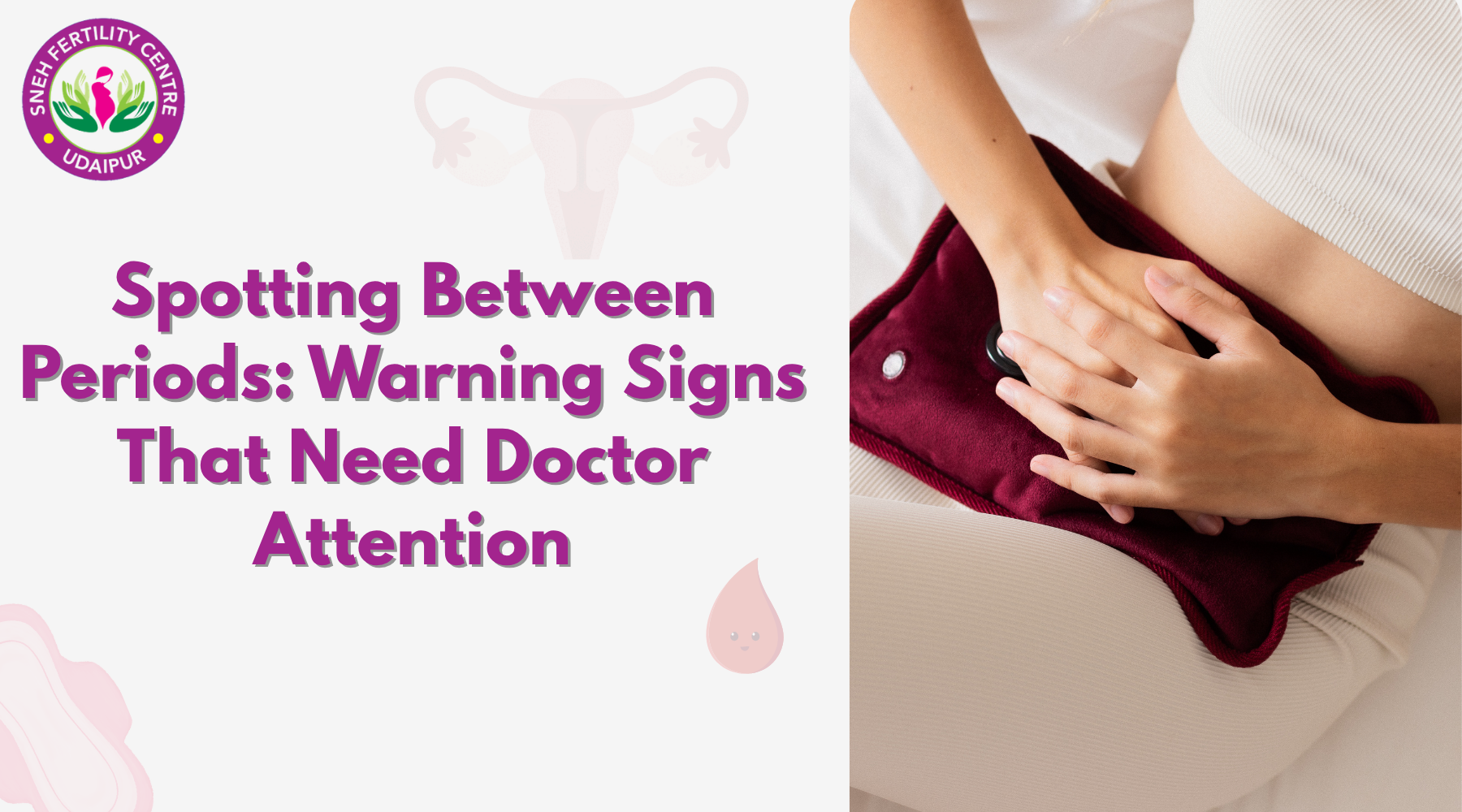
Spotting between periods can feel alarming, especially when you’re trying to track ovulation or plan a family. While occasional light spotting might be normal, persistent or unusual patterns often signal hormonal shifts, structural issues, or early pregnancy complications that deserve professional attention. Infertility doctors in Udaipur at Sneh Fertility & Urology Centre see this concern frequently among women planning pregnancy, and timely evaluation by gynecologists can prevent bigger problems while protecting fertility.
Normal vs Abnormal Spotting: Understanding the Difference
Normal spotting happens mid-cycle around ovulation (day 14) when estrogen dips briefly, causing light pink or brown discharge for 1-2 days. Implantation bleeding in early pregnancy (6-12 days post-ovulation) appears as minimal spotting without cramps. These resolve quickly without other symptoms.
Abnormal spotting demands attention when it:
- Occurs regularly outside ovulation
- Lasts more than 3 days or soaks pads
- Includes bright red blood, clots, or foul odor
- Pairs with pain, heavy flow, or fatigue
Women at Sneh Fertility & Urology Centre often discover treatable causes like polyps or hormone imbalance through simple ultrasound and bloodwork, preserving fertility timelines.
Common Causes That Affect Fertility
- Hormonal imbalances top the list. PCOS treatment in Udaipur patients frequently experiences anovulatory spotting from irregular estrogen/progesterone ratios. Thyroid disorders cause similar unpredictable bleeding that disrupts ovulation tracking.
- Structural issues like uterine fibroids, polyps, or endometrial hyperplasia create contact bleeding. These benign growths affect 20-40% of women over 30 and can interfere with embryo implantation. Fertility doctors in Udaipur at Sneh routinely screen for these during preconception evaluations.
- Infection or inflammation (cervicitis, endometritis) produces spotting with discharge or odor. Sexually transmitted infections like chlamydia silently damage fallopian tubes, reducing fertility by 15-20% if untreated.
- Medications and devices contribute too: emergency contraception, blood thinners, or copper IUI trigger irregular shedding. Women using fertility treatments notice this pattern, which best IUI doctor in Udaipur can differentiate from treatment effects.
- Early pregnancy concerns include threatened miscarriage or ectopic pregnancy. Implantation differs from worrisome dark spotting with cramping, which affects 15-25% of pregnancies before 12 weeks.
Red Flags: When Spotting Signals Urgency
Seek immediate care if spotting accompanies the following:
- Severe pelvic pain or one-sided pain (ectopic risk)
- Dizziness, heavy bleeding, or shoulder pain
- Fever above 100.4°F with discharge
- Pregnancy symptoms plus spotting
- Postmenopausal bleeding (any amount)
Gynecologists at Sneh Fertility & Urology Centre prioritize same-day evaluation for these combinations, as early intervention saves fertility potential and prevents complications.
The Fertility Connection: Why It Matters Now
Irregular spotting often masks ovulatory dysfunction, reducing conception chances by 30-50%. PCOD treatment in Udaipur specialists note that untreated hormonal spotting correlates with lower AMH levels and poorer IVF response. Polyps double miscarriage risk by disrupting implantation. Addressing spotting early through targeted hormone therapy, polypectomy, or lifestyle optimization restores cycle predictability essential for natural conception or IUI center in Udaipur protocols.
Diagnostic Steps at Sneh Fertility & Urology Centre
Expect compassionate, thorough evaluation:
- Detailed history – cycle patterns, symptoms, fertility goals, medications
- Pelvic exam – cervical health, polyp screening
- Transvaginal ultrasound – endometrial thickness, ovarian cysts, fibroids
- Bloodwork – hCG, progesterone, thyroid panel, prolactin
- Endometrial biopsy if hyperplasia suspected
Infertility doctors in Udaipur coordinate with urologists when male factors coexist, ensuring complete couple assessment. Most causes prove highly treatable with 80-90% resolution within 3 cycles.
Treatment Options That Preserve Fertility
- Hormonal correction: progesterone supplements, birth control pills, or metformin for PCOS restore lining stability.
- Minimally invasive surgery: hysteroscopic polypectomy or myomectomy preserves uterus without scarring.
- Infection treatment: targeted antibiotics clear cervicitis without fertility harm.
- Lifestyle support: stress reduction, sleep optimization and thyroid balancing enhance natural regulation.
Women following Sneh Fertility & Urology Centre integrated plans achieve 65% regular cycles within 6 months, boosting natural pregnancy rates significantly.
Prevention Through Cycle Awareness
Track bleeding patterns using apps or calendars. Note color, volume, timing relative to ovulation, associated symptoms. Share with your fertility doctor in Udaipur during annual exams or preconception counseling. Baseline ultrasound establishes normal endometrial patterns for future comparison.
FAQs: Spotting Between Periods
Spotting deserves attention, not anxiety. It often reveals treatable conditions that, when addressed early by Sneh Fertility & Urology Centre specialists, protect your reproductive future. Schedule an evaluation when patterns concern you; clear answers bring peace and better outcomes. Your regular cycles and family dreams matter, and expert care makes them achievable.