When Pelvic Pain May Be Linked to Fertility Problems
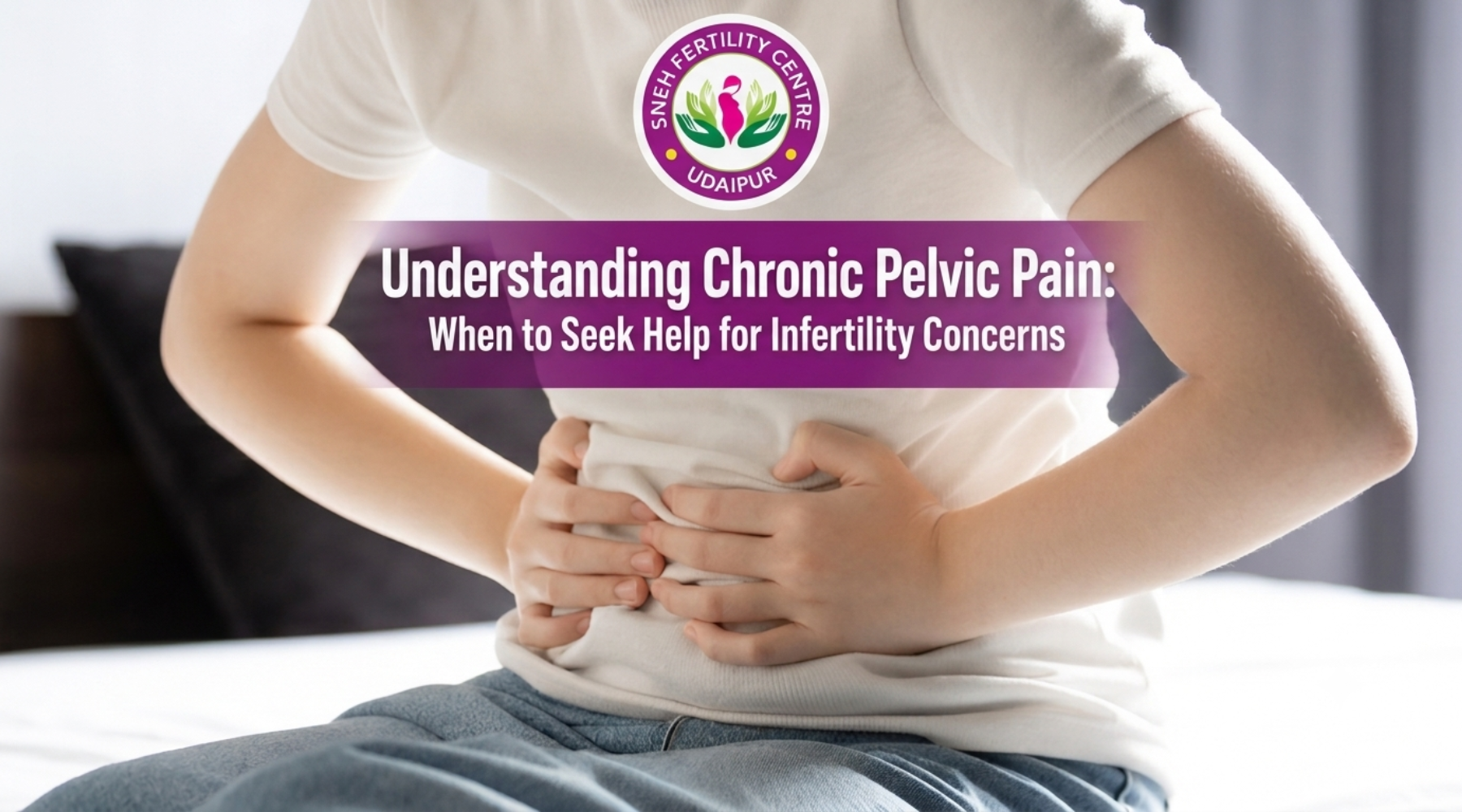
Chronic pelvic pain is pain in the lower abdomen or pelvis that lasts for months or keeps coming back. It can be dull, sharp, constant, or happen only at certain times of the month. When this pain starts affecting periods, intimacy, or pregnancy plans, it should not be ignored.At Sneh Fertility & Urology Centre, women are often told not to wait until the pain becomes severe. In some cases, pelvic pain is a sign of a fertility issue that needs early attention.What Chronic Pelvic Pain Means
This pain does not always have one clear cause. It may come from the uterus, ovaries, fallopian tubes, bladder, bowel, or pelvic muscles. Some women feel it during periods, while others notice it during sex, after exercise, or even at rest.If the pain keeps returning, it can affect daily life and make conception harder. That is why it is important to understand the reason instead of only trying to manage the pain.Common Causes Behind The Pain
Chronic pelvic pain can happen for many reasons. Some of the common causes include:- Endometriosis.
- Pelvic infection.
- Ovarian cysts.
- Fibroids.
- Scar tissue from past surgery.
- Bladder problems.
- Digestive issues.
- Pelvic muscle tightness.
How It Can Affect Fertility
Pelvic pain and infertility often go hand in hand. Endometriosis can affect the ovaries and fallopian tubes. Pelvic infection can cause scarring. Fibroids may affect implantation. Even pain from unknown causes can point to a hidden reproductive issue.That is why a gynecologist often becomes the first specialist to evaluate the problem. At times, the doctor may also suggest fertility treatment support if pregnancy is not happening as expected.Signs That Should Not Be Ignored
You should seek help if pelvic pain comes with:- Pain during periods.
- Pain during sex.
- Trouble getting pregnant.
- Heavy or irregular bleeding.
- Pain while passing urine or stool.
- Bloating or pressure in the lower belly.
- Pain that keeps coming back.
When To See A doctor
A doctor should be consulted when the pain lasts for several months, keeps returning, or affects fertility plans. If a woman has already been trying to conceive without success, the pain may need a full checkup.At Sneh Fertility & Urology Centre, the approach is to look at both pain and fertility together. That helps avoid missing an important cause. In some cases, support from gynaecologists can help identify whether the issue is hormonal, structural, or related to past infection.How Doctors Usually Check The Cause
Doctors often start with a detailed history and physical examination. They may ask when the pain started, how often it happens, and whether it gets worse during periods or sex. Tests like ultrasound or blood work may be suggested if needed.If the pain seems related to infertility, the doctor may also review ovulation, the uterus, and the fallopian tubes. This is where early evaluation matters, because some causes are easier to treat before they become more complex.Why Sneh Fertility & Urology Centre Can Help
Pelvic pain is not always easy to explain. Sometimes women are told it is “normal,” even when it affects sleep, work, or conception. That is why a clinic that understands fertility and women’s health can make a big difference.At Sneh Fertility & Urology Centre, women can get support for pelvic pain, fertility concerns, and related checks in one place. The care is simple, personal, and focused on finding the real cause.FAQs about chronic pelvic pain and fertility
Chronic pelvic pain should not be ignored when fertility is also a concern. The sooner the cause is found, the sooner the right treatment can begin. With the right support from Sneh Fertility & Urology Centre, women can move from uncertainty to a clearer path forward.