
Why Regular Cervical Screening Matters for Women’s Health
Regular cervical screening gives doctors the chance to detect abnormal cervical changes before they become serious. Many women feel healthy and assume they do not need testing, but cervical cancer can develop quietly without early symptoms. At Sneh Fertility & Urology Centre, women are encouraged to treat preventive care as part of their long-term health and fertility planning, not just something to consider after symptoms appear.
What Cervical Cancer Screening Can Detect
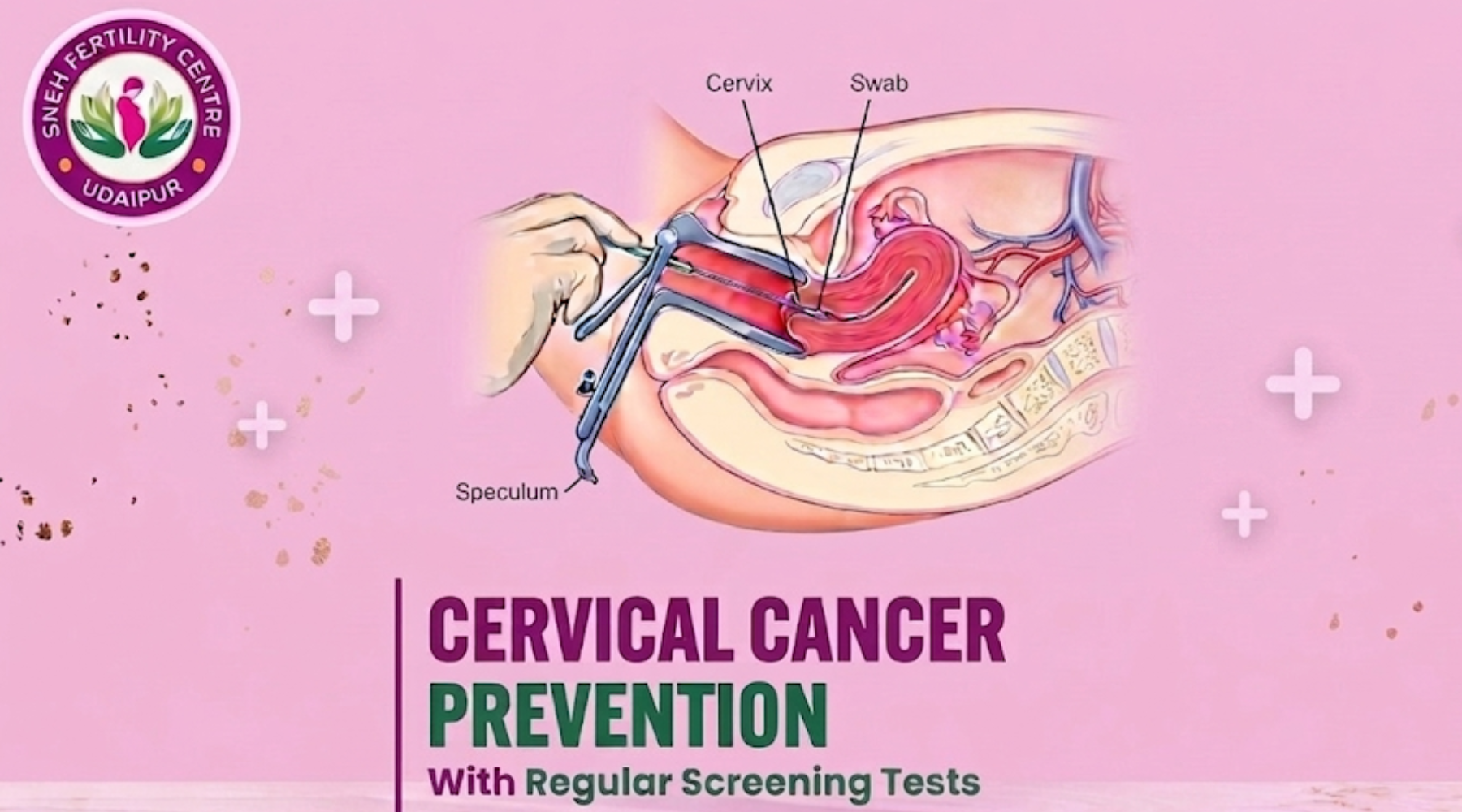
Cervical screening usually checks for early changes in cervical cells before cancer develops. These changes are often linked to persistent HPV infection and can often be treated early if detected on time.
The two most common screening tests are:
- Pap test to detect abnormal cervical cells.
- HPV test to identify high-risk human papillomavirus infection.
Women who already visit a gynecologist for menstrual issues, pregnancy care, or fertility planning can also discuss when cervical screening is due as part of their routine care.
When Women Should Get Tested
Screening recommendations may vary depending on age, medical history, and previous test results. However, routine screening is generally advised from early adulthood onward.
Women may require closer follow-up if they have:
- A previous abnormal Pap or HPV test.
- Weak immunity or chronic illness.
- A history of HPV infection.
- Other reproductive health concerns.
At Sneh Fertility & Urology Centre, preventive testing is encouraged even when no symptoms are present because early detection significantly improves outcomes.
Why Cervical Cancer Prevention Supports Fertility and Future Health
Preventive screening is not only about cancer detection. It also protects long-term reproductive health by identifying concerns early when treatment is often simpler and less invasive.
This becomes especially important for women planning pregnancy or already receiving fertility treatment. Regular gynecological care helps reduce the risk of delayed diagnosis and future complications that could affect fertility or pregnancy planning.
Lifestyle Choices That Also Help Reduce Risk
Along with regular testing, healthy daily habits also support cervical cancer prevention:
- Getting the HPV vaccine if medically appropriate.
- Practicing safe sex to lower HPV exposure risk.
- Avoiding smoking.
- Attending all follow-up appointments after abnormal reports.
- Continuing regular preventive checkups even without symptoms.
These simple preventive habits become more effective when combined with regular cervical screening and routine gynecological care.
How Sneh Fertility & Urology Centre Supports Women’s Preventive Care
At Sneh Fertility & Urology Centre, women can discuss cervical screening alongside fertility, menstrual, pregnancy, and reproductive health concerns in one supportive setting.
The clinic provides integrated care through:
- Gynecology services.
- Fertility treatment support.
- Preventive women’s health screening.
- Andrology and urology consultation when needed.
This combined approach helps women understand how preventive health, fertility, and overall wellness are often closely connected.
FAQs About Cervical Cancer Prevention
Cervical cancer prevention begins with regular screening and early action. Consistent testing gives women the best chance of detecting problems before they become serious. With support from Sneh Fertility & Urology Centre, preventive care becomes a practical and reassuring part of protecting long-term women’s health.